What To Expect from the Housing Market in the Second Half of 2026
If the first half of this year left you feeling like the timing wasn't right to buy or sell, you're not alone. Mortgage rates stayed higher than most people hoped, affordability remained a real constraint, and uncertainty overseas added pressure that nobody had planned for. The question a lot of buyers and sellers in the Fort Worth and DFW area are asking right now is simple: does it get better from here?
The honest answer is that no one knows for certain — but there are a few encouraging signs worth paying attention to.
Mortgage rates may be near a turning point.
One of the main reasons rates have stayed elevated is inflation, and a meaningful driver of inflation has been energy prices. Here's the good news: oil prices have already started coming back down, and historically, mortgage rates and oil prices tend to move in the same direction.
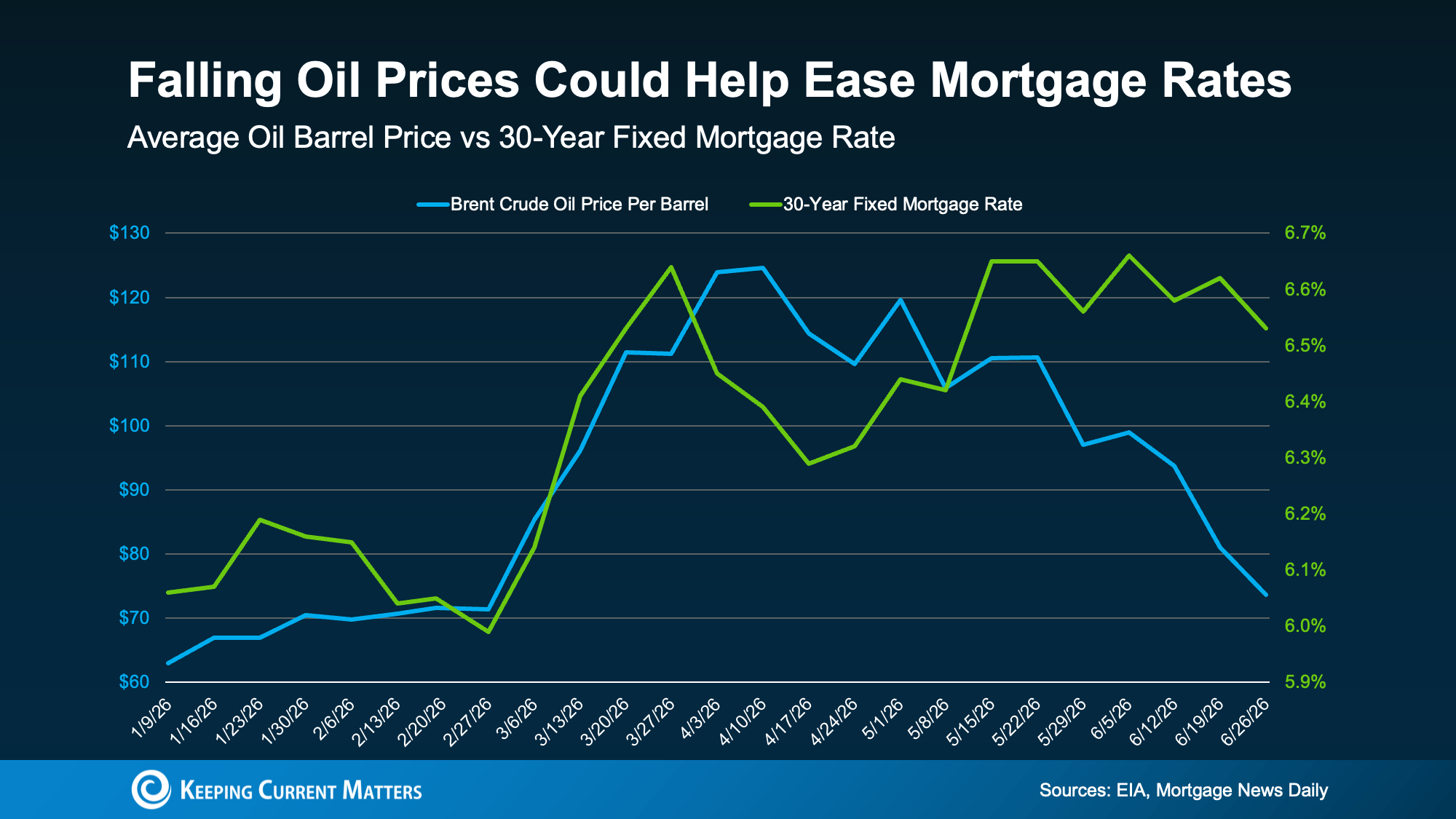
The U.S. Energy Information Administration is forecasting oil prices to continue declining. If that holds, and if tensions overseas continue to ease, mortgage rates could follow suit in the second half of the year. Nothing dramatic — but even a modest improvement in rates would meaningfully change the math for buyers who have been sitting on the sidelines.
Home prices are expected to keep rising.
A lot of buyers are hoping prices will drop. Most expert forecasts say otherwise. While individual markets vary, the national projection for home price growth in 2026 sits at around 2.3% for the full year. Nationally, prices are already up about 1.7% year-over-year through the first half — which means price growth would need to pick up a bit in the second half to hit that target.
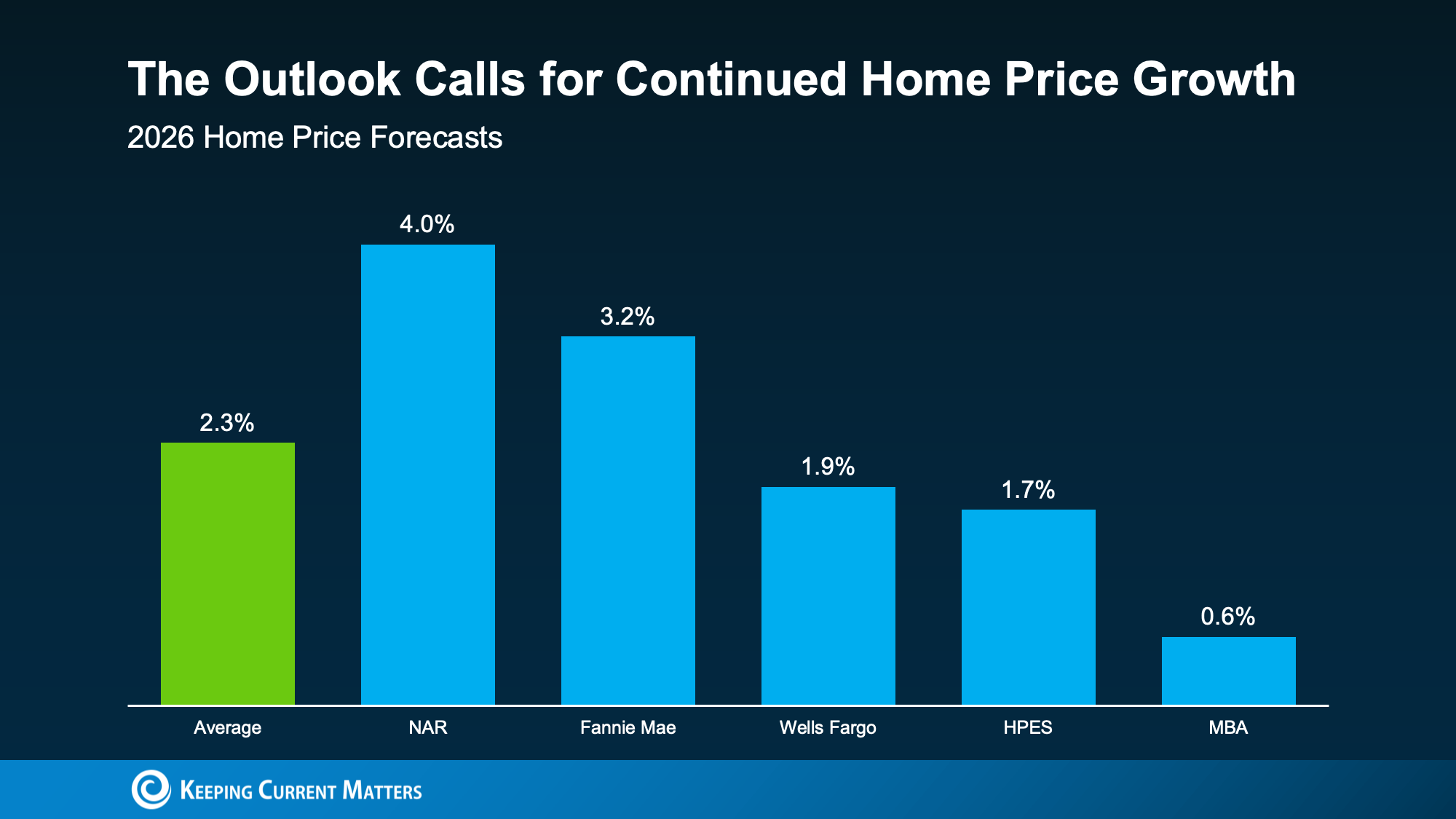
What drives that pickup? Inventory growth may be starting to slow. If rates improve and more buyers re-enter the market, modest upward pressure on prices follows. For buyers, this is a reason not to assume that waiting guarantees a better deal. For sellers who have been concerned about their home's value, it's a reason for measured optimism.
More homes are expected to sell.
Sales volume has been slower than most forecasts predicted for the first half of 2026 — but that's not because people stopped wanting to move. It's because they've been waiting for more certainty. Economists expect that pent-up demand to start releasing as conditions gradually improve.
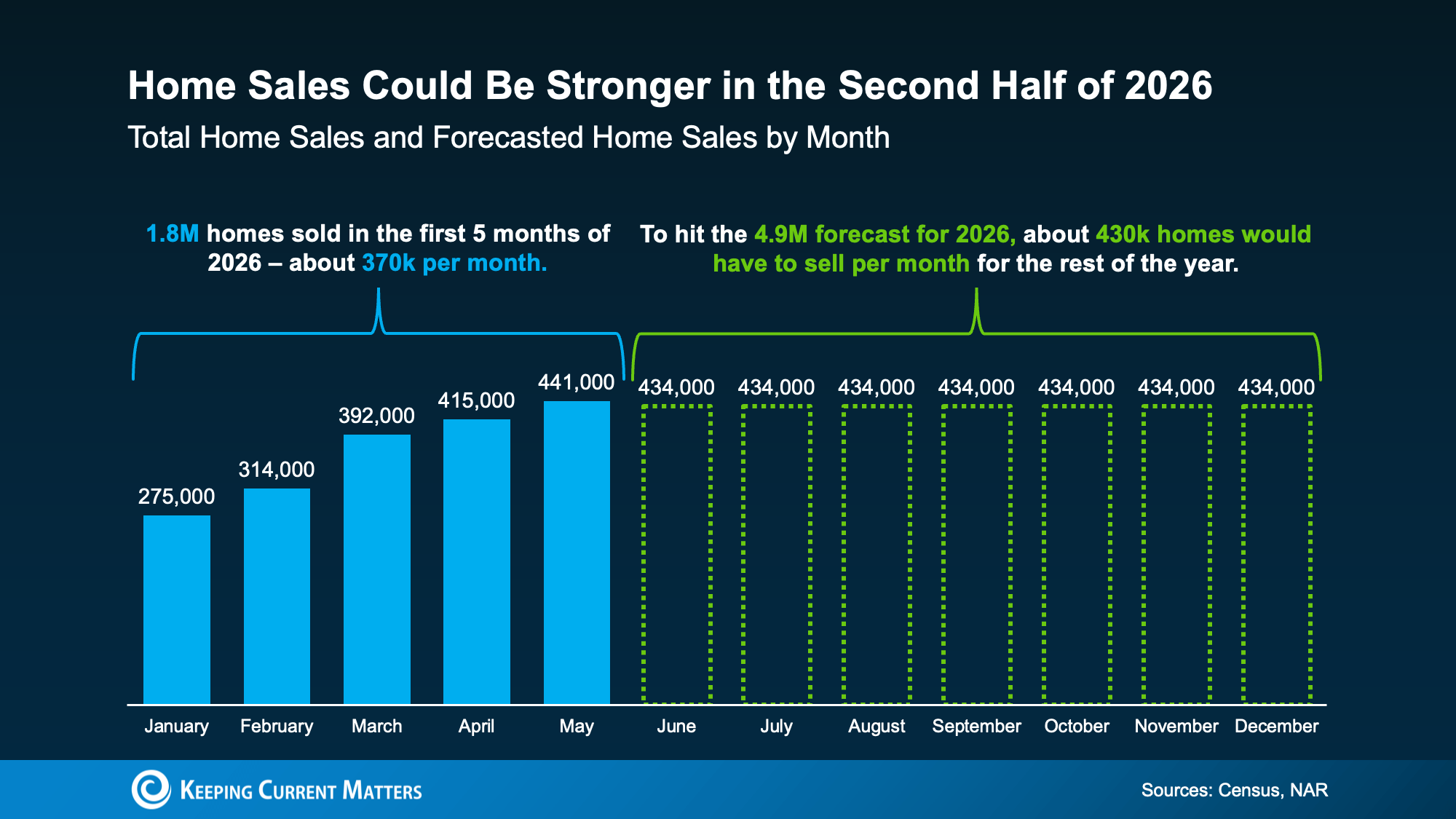
To hit the projected sales numbers for the full year, the second half would need to outperform the first — with each remaining month coming close to matching May, which was the strongest month of the year so far. That tells you where expert sentiment is heading.
What this means for buyers and sellers in Fort Worth.
The second half of 2026 probably will not be perfect. But the conditions that have made the last several months so difficult — elevated rates, tight affordability, low confidence — all have reasonable paths toward improvement. If you've been waiting for a signal to move, this is about as clear as it gets.
If you want to talk through what these trends mean for your specific situation in the Fort Worth or DFW market, reach out to the team at Mills Real Estate Group. We're happy to walk through the numbers and help you figure out whether now is the right time to make your move.