Down Payments Are at Their Lowest Level Since 2021 — Here's What That Means for Buyers in Fort Worth
One of the biggest mental hurdles for first-time buyers is the down payment. The assumption is that you need a substantial sum saved before you can even start the process — but the data tells a different story right now.
According to Realtor.com, the typical buyer put down about $23,400 in early 2026. That is roughly $5,000 less than what was typical the year before — a 19 percent drop year over year, and the lowest down payments have been since 2021.
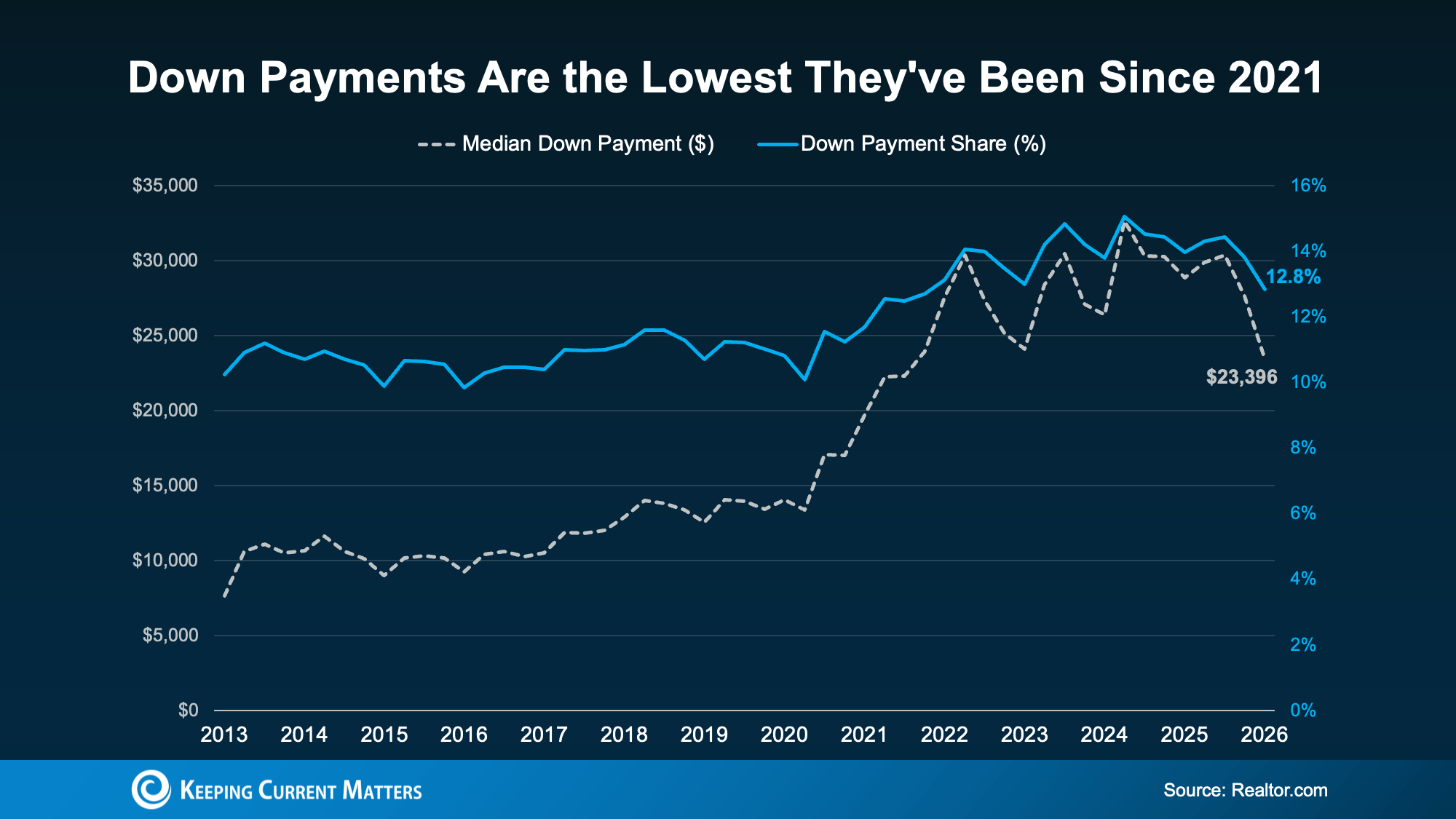
Why are buyers putting less down?
A few things are driving the trend. With less competition between buyers than there was a few years ago, there is less pressure to put a large sum down just to make your offer stand out. Slower price growth in many markets also means the dollar amount of a percentage-based down payment is simply lower than it was at the peak. And more buyers are turning to government-backed loans — FHA loans have made up more than 24 percent of purchase mortgages for five straight quarters, and VA loans recently hit their highest share in over a decade, both of which require little to no money down.
Down payment assistance is more widely available than most buyers realize.
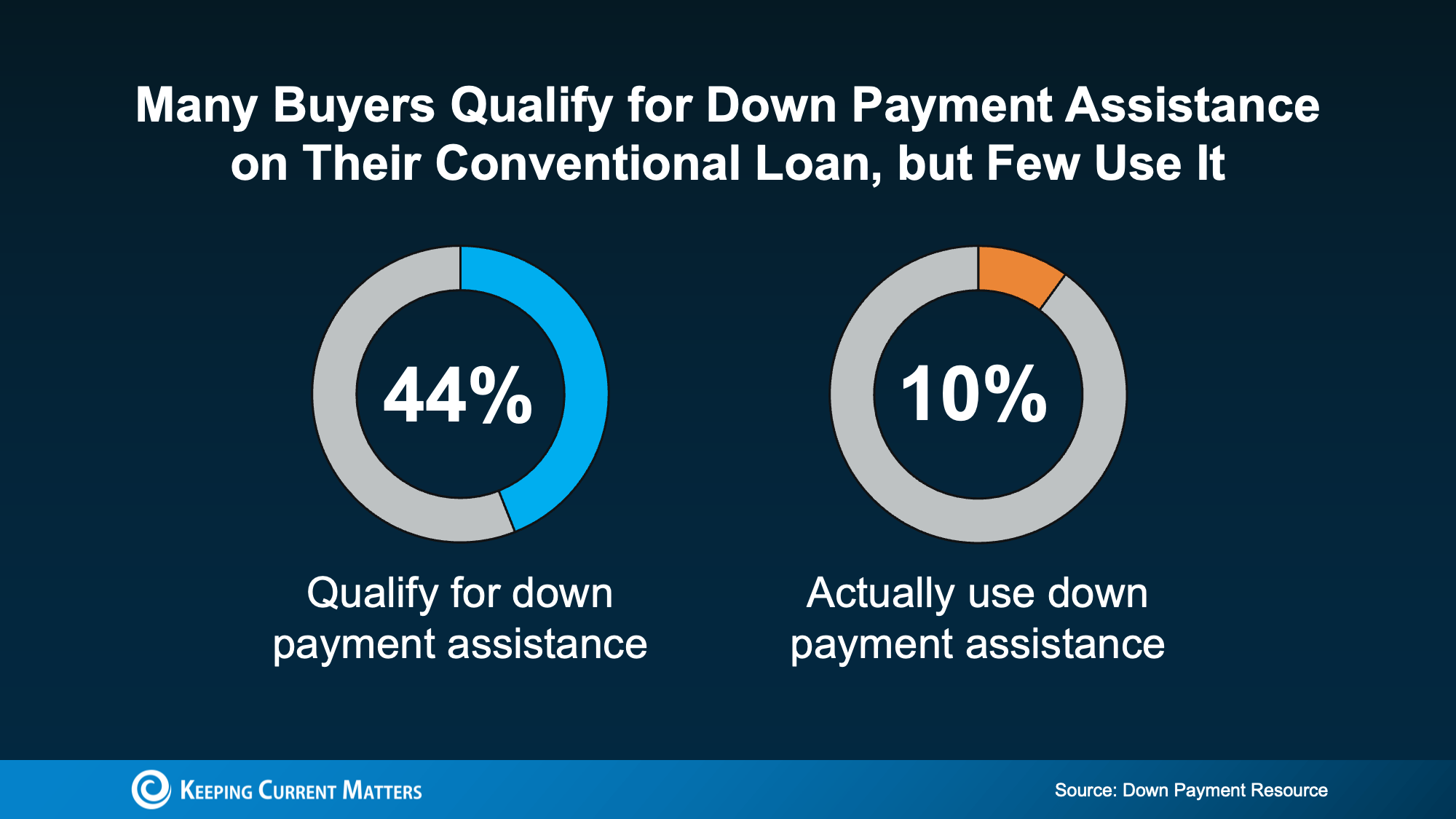
Research from Urban Institute and Down Payment Resource found that nearly 44 percent of recent buyers in the 10 largest U.S. metros already qualified for a down payment assistance program — but many of them closed on their loan without ever using it.
The range of programs available is broader than most people assume. There are currently more than 2,600 down payment assistance programs nationwide. More than half are designed specifically for first-time buyers, but 38 percent have no first-time buyer requirement — meaning you may qualify even if you have owned a home before. And 62 percent of programs are open to buyers earning $100,000 or more, so income alone is rarely the disqualifier people assume it to be.
Help from family is also more common than you might think.
Research from Veterans United shows that about 59 percent of parents have provided or plan to provide financial support to help their child purchase a home — most often going toward the down payment, mortgage qualification, or closing costs. If your family is in a position to help, it is worth having that conversation sooner rather than later.
The bottom line is that the path to homeownership in Fort Worth may be more accessible than you have been assuming. Down payments are lower, assistance programs are widely available, and lenders have more flexible options than the traditional 20 percent model suggests.
If you want to understand exactly what you would need to get into a home in the current Fort Worth market, reach out to the team at Mills Real Estate Group. We can connect you with trusted local lenders who will walk through your specific situation and help you figure out what is actually within reach.